


What are Super Clone Watches?
Super clone watches represent a remarkable category within the realm of timepieces, primarily distinguished by their superior quality and meticulous craftsmanship. Unlike ordinary replica watches or outright fakes, super clones are designed to mimic high-end luxury watches with an exceptional level of authenticity. These timepieces are crafted using premium materials, which effectively enhances their durability and aesthetic appeal, making them highly sought after among enthusiasts and collectors.
The hallmark of a super clone watch lies in its attention to detail. This includes precise replication of the original watch’s dimensions, weight, and even the intricate components within. Skilled artisans employ advanced techniques to create these watches, often utilizing the same manufacturing processes as those used by reputable luxury brands. This level of craftsmanship ensures that every aspect, from the movement to the luminescence of the watch face, closely resembles its genuine counterpart.
Motivations behind the creation of super clone watches are multifaceted. For some, the allure comes from the desire to own an exquisite timepiece without the corresponding financial burden associated with luxury brands. Super clone watches offer an attractive alternative, providing an opportunity for individuals to appreciate the aesthetics and functionality of high-end models. Additionally, the thriving luxury watch market has led to an increasing demand for precision replicas that cater to discerning customers.
In conclusion, super clone watches are an intriguing segment of the watch industry, effectively bridging the gap between luxury and accessibility. With their superior craftsmanship and dedication to quality, they stand apart from typical replicas, attracting attention from those who value precision and style. By understanding what sets super clone watches apart, consumers can make informed decisions in their pursuit of luxury timepieces.
The Popularity of Super Clone Watches
In recent years, super clone watches have gained significant traction within the luxury timepiece market. The term “super clone” refers to high-quality replicas of prestigious watch brands that often closely resemble their authentic counterparts in both appearance and function. One of the primary reasons for the growing popularity of super clone watches is their affordability in comparison to genuine luxury watches. While original timepieces from renowned brands can carry price tags that often exceed thousands of dollars, super clones typically offer similar aesthetics and mechanics at a fraction of that cost, making them an attractive alternative for many consumers.
The allure of owning high-end brand items, sometimes referred to as “vanity,” further fuels the demand for these replicas. Consumers often seek the status symbol associated with luxury brands, but the high investment cost of authentic pieces can be prohibitive. Super clones provide a way for individuals to partake in this exclusivity without the corresponding financial burden, thereby appealing to a broader audience. This trend is particularly evident among younger generations who are increasingly valuing both style and affordability in their purchasing decisions while still wanting to make a statement aesthetically.
Additionally, the societal acceptance of replicas is evolving, as more people openly acknowledge their preference for super clone watches. Recent statistics reflect this shift, indicating a growing segment of the luxury watch market embracing higher-quality replicas as viable options. The trend exemplifies how consumer behavior is transforming, with super clones becoming an integral part of discussions around luxury, accessibility, and style. As the demographics of watch buyers continue to diversify, it is apparent that super clone watches are solidifying their presence in the landscape of luxury timepieces.
How to Identify a Super Clone Watch
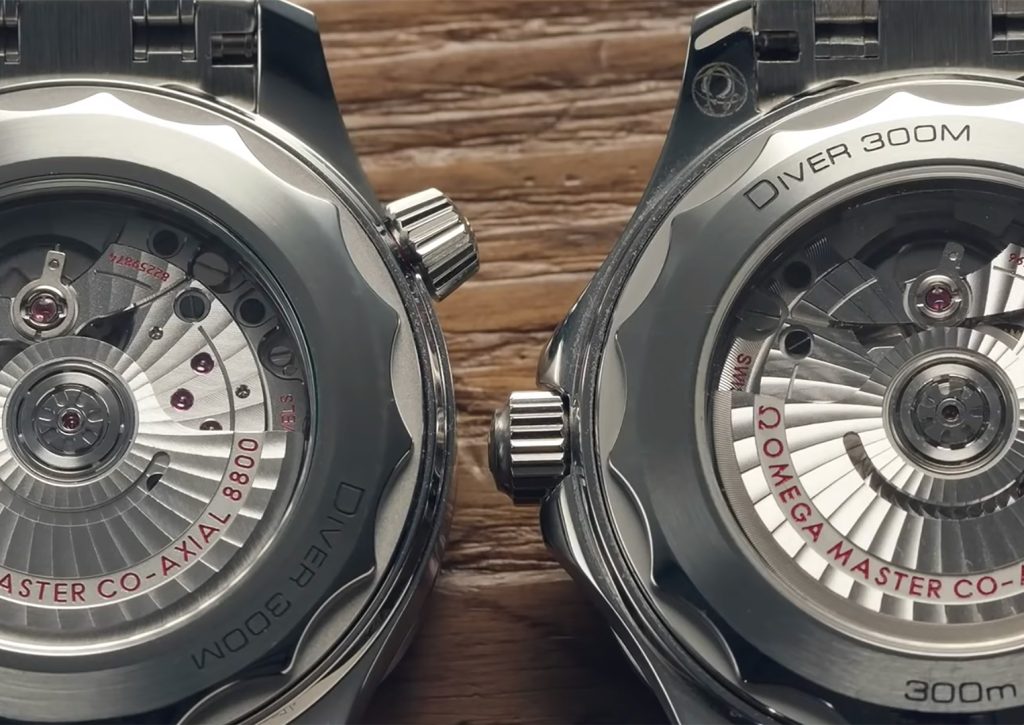
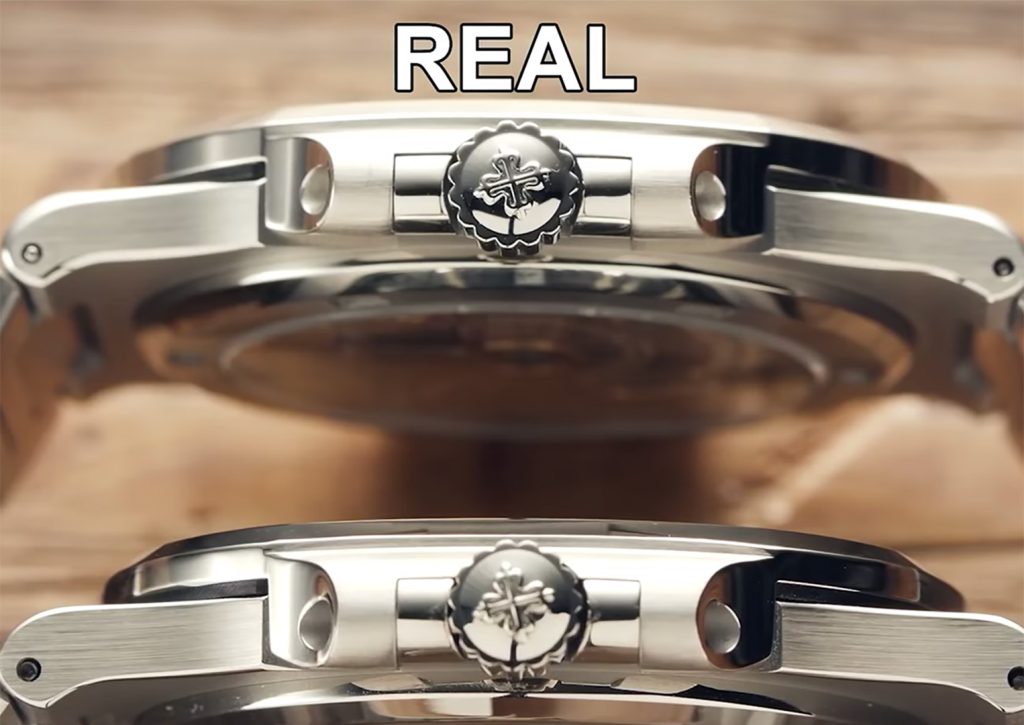
When navigating the world of luxury uk replica watch, particularly super clone watches, it is essential to arm oneself with the right knowledge for informed purchasing. Super clone watches are crafted to closely resemble their authentic counterparts, yet certain features can help distinguish a quality piece from inferior replicas. The first aspect worth examining is the weight of the watch. Genuine luxury watches often use high-grade materials which contribute to a notable heft, while cheaper imitations may feel light and flimsy. A super clone watch, however, should have a similar weight to the original, indicating a commitment to quality.
Another critical factor is the movement of the watch. Super clones often incorporate automatic movements that mimic the intricate mechanics of the original brand. Pay close attention to the smoothness of the second hand sweep; a stuttering motion can be a sign of a low-quality replica. Dial details are equally important. Examine the markings, font, and alignment of the elements on the dial. High-quality super clones will have a dial that closely mirrors the original, with precise printing, correct spacing, and carefully executed luminescence.
Finishing quality, including polish and texture, sets super clones apart from traditional replicas. Look for fine details like brushing and circular graining. The texture should feel refined, and the surfaces should be well-finished without any blemishes. While assessing a potential purchase, be wary of red flags, such as overly low prices, vague seller information, or discrepancies in warranty and return policies. These can often indicate that a watch is not of super clone quality. By familiarizing oneself with these critical characteristics and remaining vigilant, potential buyers are better equipped to distinguish between high-quality super clones and subpar replicas, ensuring a satisfactory purchasing experience.
The Ethical Implications of Buying Super Clone Watches
The purchase of super clone watches brings forth a myriad of ethical implications that merit careful consideration. Firstly, labor practices within the factories that produce these replicas often raise significant concerns. Many super clone watches are manufactured in regions where labor rights may be overlooked, resulting in poor working conditions, long hours, and insufficient wages. Ethical consumers must reflect on whether their choice to buy these replicas inadvertently supports such exploitative labor practices, ultimately impacting the welfare of factory workers.
Moreover, the issue of intellectual property rights in the luxury watch industry cannot be overlooked. Super clones, while often regarded as high-quality replicas, infringe upon the original designs and trademarks of luxury brands. This raises questions about the legitimacy of the craftsmanship showcased in these replicas. While some argue that these replicas provide access to luxury aesthetics for a broader audience, they simultaneously challenge the sanctity of the ownership rights held by authentic luxury watchmakers. Such practices can dilute the value of genuine products, leading to potential financial repercussions for brands striving to maintain their market positions.
The repercussions extend to the luxury watch industry itself, as the proliferation of super clones could undermine the brand prestige cultivated over years of tradition and innovation. Enthusiasts and collectors often find themselves at a crossroads. Some appreciate the craftsmanship involved in creating super clones, considering them a form of artistic expression, while others advocate for the preservation of the authenticity associated with true luxury timepieces. This continuum of perspectives reveals a deeper discourse about consumer responsibility and the long-term sustainability of the luxury watch market.
In conclusion, the ethical implications of purchasing super clone watches are complex and multifaceted. They extend beyond personal choice, impacting labor practices, intellectual property rights, and the future of the luxury watch industry. As consumers navigate this intricate landscape, it is vital to consider the broader implications of their purchasing decisions.